
Stem Cell Therapy In Denver
Regenerative, cell-based treatments — including stem cell and exosome therapy — designed to support your body’s natural ability to repair and restore itself.
At a Glance
Stem cell and exosome therapy are forms of regenerative medicine that use your body’s own repair mechanisms — and lab-processed cellular signaling molecules — to support tissue health, recovery, and long-term function. Our Colorado practice offers both autologous stem cell derivatives sourced from your own hair follicles and exosome therapy, a cell-free regenerative option derived from stem cells, backed by the clinical program and research standards of our affiliated stem cell institute.
This page explains what stem cell and exosome therapy are, how each works, what to expect from treatment, and how to determine which approach is right for you.

What Are Stem Cell and Exosome Therapies?
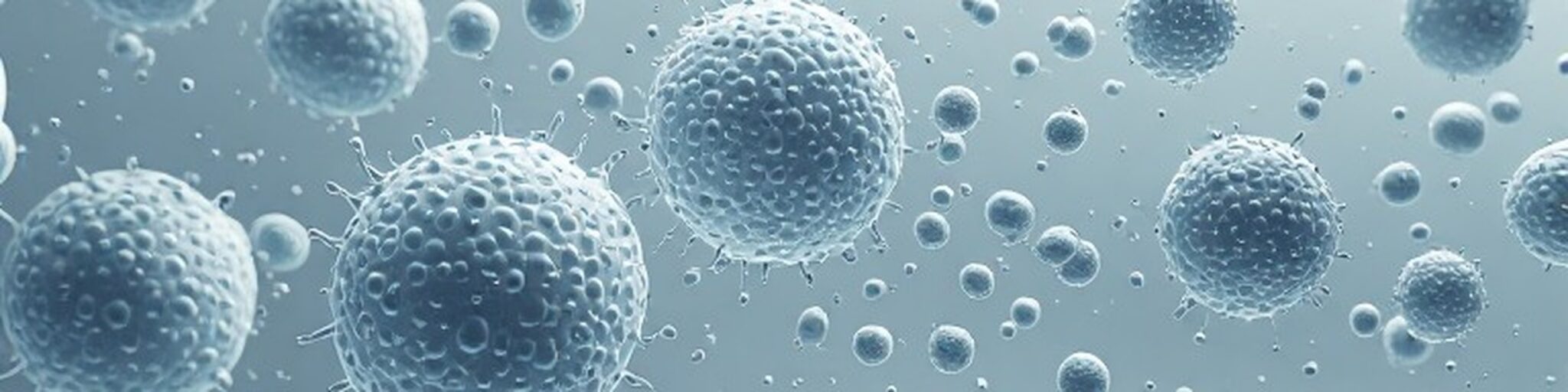
Stem cells are the body’s raw material — cells with the unique ability to develop into many different cell types and to support the repair of damaged or aging tissue. Exosomes are one of the ways stem cells communicate this repair process: tiny signaling particles that stem cells release to direct nearby cells toward regeneration, without being cells themselves. As we age, our body’s natural supply of these regenerative cells — and the signaling molecules they produce — declines, which is part of why recovery from injury, inflammation, and everyday wear slows down over time.
Stem cell and exosome therapy are designed to work with this natural biology rather than replace it — introducing a concentrated source of regenerative material or cell-signaling molecules to support the body’s own repair processes in areas where that support has diminished. It’s a fundamentally different approach from treatments that simply manage symptoms: rather than masking discomfort or inflammation, regenerative medicine aims to support the underlying tissue environment itself.
It’s important to set realistic expectations here. Stem cell and exosome therapy are not guaranteed cures for any specific condition, and results vary from person to person based on age, health history, and the area being treated. What they offer is a scientifically-grounded, regenerative option for patients looking to support long-term tissue health as part of a broader wellness or recovery strategy — something your provider can help you evaluate honestly during your consultation.
Why Choose Longevity Medical For Stem Cell and Exosome Therapies In Denver
Stem cell and exosome therapy exist in something of a gray area within the wellness industry — heavily marketed by some providers, but not always backed by rigorous clinical infrastructure. Our Colorado practice takes a different approach. Our stem cell and exosome program is affiliated with our affiliate clinical institute’s established regenerative medicine research and treatment program, giving our Denver patients access to standards and protocols not typically available through a standalone US clinic.
This affiliation matters because regenerative medicine is still evolving, and quality control — sourcing, processing, and administration — varies significantly across providers. Working within an established clinical framework gives our patients a level of consistency and oversight that’s uncommon among stem cell and exosome treatment providers offering services in Denver and across Colorado.
We offer two primary approaches to regenerative therapy:
Autologous stem cell derivatives, sourced from your own hair follicles — a highly personalized approach that uses your body’s own cells, minimizing concerns around compatibility.
Exosome therapy, which uses cell-derived signaling molecules to support tissue repair and communication at a cellular level, without using the stem cells themselves. Because exosomes are processed rather than collected directly from you, this option doesn’t require a personal tissue sample.
Your provider will help determine which approach — or combination of approaches — best fits your goals during your consultation.
How Stem Cell and Exosome Therapies Differ
Patients researching regenerative medicine in Denver often come across both "stem cell therapy" and "exosome therapy" and aren't sure how the two relate. The table below breaks down the core distinctions.
| Attribute | Autologous Stem Cell Therapy | Exosome Therapy |
|---|---|---|
| Source | Patient's own hair follicles | Lab-processed; not sourced from the patient |
| Cell type | Living stem cells | Cell-derived signaling particles (not cells themselves) |
| Sample required | Yes — minimally invasive collection | No personal sample needed |
| Mechanism | Introduces regenerative cells to support tissue repair directly | Signals nearby cells to direct repair and communication |
| Compatibility | Uses the patient's own cells, minimizing compatibility concerns | Not patient-specific; standardized preparation |
| Prep timeline | Collected and processed same visit | Prepared in advance |
What areas can regenerative medicine support?
Regenerative medicine is used to support a wide range of tissue types and recovery goals. The table below outlines the general categories our Colorado patients most commonly pursue treatment for:
Areas Regenerative Medicine May Support
Every treatment plan is individualized based on your goals and health history. Broadly, our stem cell and exosome therapies are used to support:
Many patients combine stem cell therapy with peptide therapy to further support recovery, tissue repair, and long-term performance goals
Conditions Patients Often Explore Stem Cell Therapy For
Stem cell therapy is often researched by patients managing a wide range of chronic and complex health concerns. While outcomes vary by individual and stem cell therapy is not a guaranteed treatment for any specific condition, patients commonly explore this approach for support with:
- Dementia & Alzheimer's
- Autoimmune conditions (Crohn's, ulcerative colitis)
- Parkinson's disease
- Multiple sclerosis
- Chronic fatigue syndrome
- Long COVID
- Joint, hip, knee, and shoulder pain
- Chronic back pain
- Neuropathy & nerve pain
- Arthritis
- Fibromyalgia
- Lyme disease
Stem cell therapy may be used off-label or is not FDA-approved for certain indications listed above. Your physician will discuss the current evidence and what's appropriate for your specific situation during your consultation.
What to Expect From Stem Cell Treatment in Denver
Stem cell therapy is a personalized, physician-guided process from start to finish. Here's what a typical treatment journey looks like:
To help support healing after treatment, some patients also add hyperbaric oxygen therapy, which can enhance tissue oxygenation during recovery.
A proactive approach to regenerative health
Stem cell therapy isn’t a one-size-fits-all treatment, and it isn’t a substitute for a conversation with a qualified provider about your specific health history and goals. What it offers is a scientifically-grounded option for patients in Colorado looking to support their body’s own regenerative processes — whether that’s around recovery, aging, or general tissue health — backed by the clinical standards of an established regenerative medicine program rather than an unregulated wellness trend.
For Denver-area patients specifically, this means access to a level of institutional backing that’s uncommon among local providers offering stem cell treatment — giving you more confidence in both the sourcing and administration of your care.
Frequently Asked Questions
Where can I get stem cell therapy in Denver?
Longevity Medical Denver offers stem cell therapy and exosome therapy at our Denver location, backed by the clinical protocols of our affiliated regenerative medicine institute. Our team guides you from your initial consultation through treatment and follow-up care.
What's the difference between stem cell therapy and exosome therapy?
Stem cell therapy uses regenerative cells — in our case, sourced from your own hair follicles — while exosome therapy uses cell-derived signaling molecules rather than live cells. Your provider can help determine which approach fits your specific goals.
Is stem cell therapy safe?
Our stem cell and exosome treatments are administered under the clinical protocols of our affiliated regenerative medicine institute. As with any medical treatment, your provider will review your health history to determine whether you’re an appropriate candidate.
How many treatments will I need?
This varies by patient and treatment goal. Your provider will recommend a personalized treatment plan during your consultation, along with any follow-up sessions that may support your results.
Will insurance cover stem cell therapy?
Regenerative medicine treatments like stem cell and exosome therapy are typically considered elective and are not covered by insurance. Our team can walk you through pricing and available payment options during your consultation.
What results can I expect from stem cell therapy?
Regulatory status varies by treatment type. Our autologous (hair follicle-derived) stem cell therapy is used off-label. Our IV stem cell therapy has not been approved by the FDA. Your physician will explain what this means for your specific treatment plan during your consultation.
Is Stem Cell Therapy FDA Approved?
Regulatory status varies by treatment type. Our autologous (hair follicle-derived) stem cell therapy is used off-label. Our IV stem cell therapy has not been approved by the FDA. Your physician will explain what this means for your specific treatment plan during your consultation.
Ready to get started?
This page was medically reviewed by Scott Ross, MD in September 2026. Content is reviewed regularly to reflect current clinical guidance.